This guide reduces the impact of high strangeness: it takes phenomena that are alarming, incomprehensible, or destabilizing on first encounter and places them in a framework that makes them manageable. It is usable on its own terms by any citizen, regardless of belief or tradition, and describes conditions as they are, independent of what any tradition, institution, or community prefers them to be.
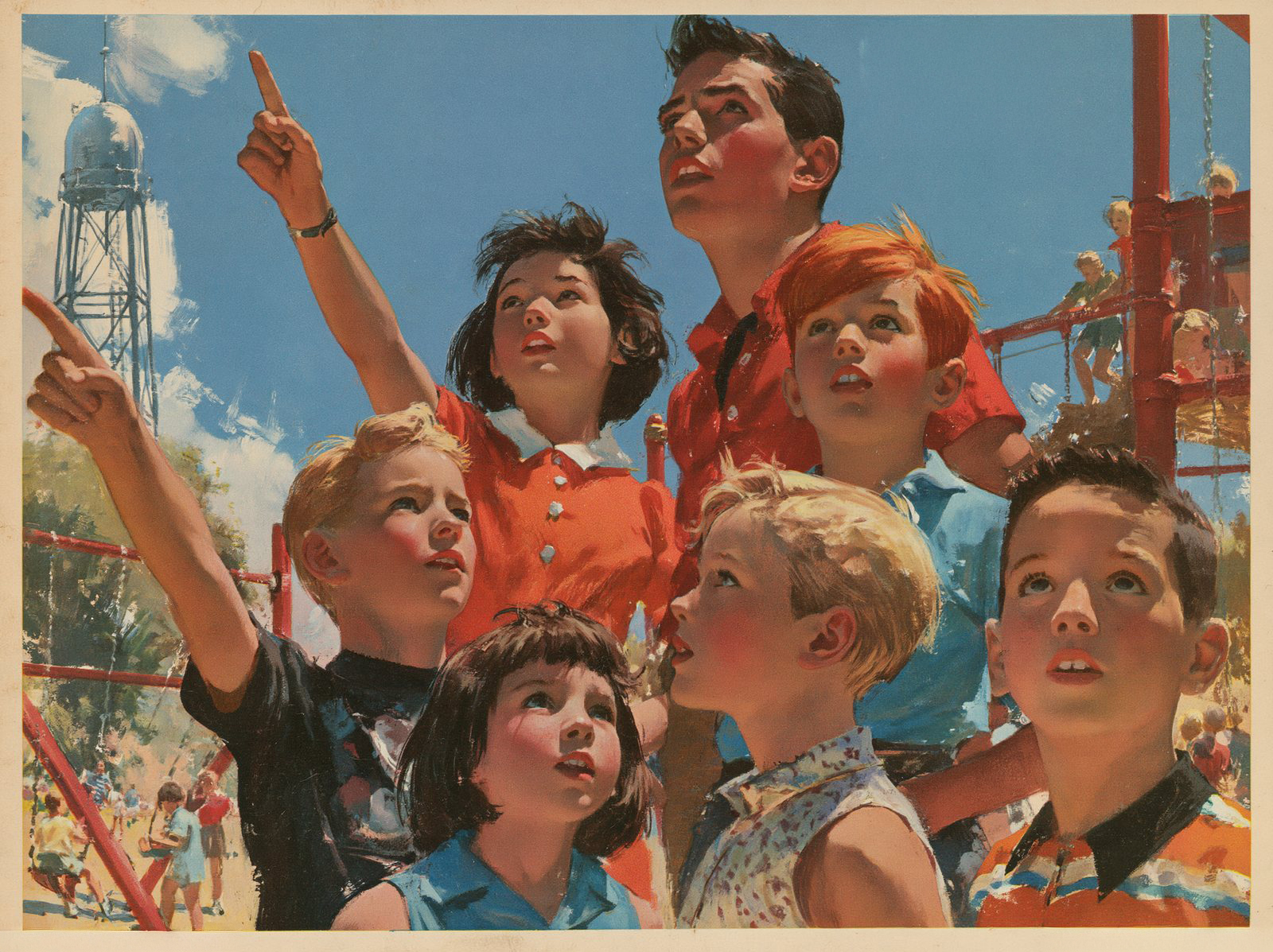
On a clear afternoon a group of citizens stops on a public walk to observe an object above the cloud layer. Asked afterward to describe it, one reports a disc, one a cluster of lights, and one a bright smear with soft edges. Each report is honest, and each is filed. The object remains one object throughout. The distance between a thing and the report of it is the first condition this guide teaches a citizen to account for.
Who This Guide Is For
The defining condition for the citizen who needs this guide is the recognition that the prior model of reality was incomplete, and the active search for a more accurate one.
What the Citizen Is
The citizen is a participant in a civilization that turns out to be larger and older than previously presented. Citizenship in this context is a description of position: the citizen exists in a shared environment with other conscious beings and holds rights and responsibilities within it. The guide describes that environment and offers tools for navigating it.
Human civilization is transitioning from managed isolation to active participation in a shared environment occupied by multiple independent civilizations. These civilizations are distinct in origin, motivation, and agenda. They share an awareness of each other and operate within a common framework of conduct norms, primarily around sovereignty and the non-coercive development of conscious species. Compliance with those norms varies. The transition is unstable, uneven, and nonlinear. The citizen is present during the transition window, the period for which this guide was written. Humanity reaches this window better equipped to absorb the material than any earlier generation, through broad information access and decades of cultural exposure to the concept of non-human intelligence.
Scope and Limits
The guide excludes assessment of how disclosure was handled; belief systems, prophecy, or prediction; legal or medical advice; and a complete account of everything that was concealed. That account remains incomplete at the time of this edition.
How to Use This Guide
The guide serves both the citizen who wants to understand what has been disclosed and the citizen who intends to engage actively, developing skills and pursuing contact; the later sections support that deeper participation. Operational content is marked where it applies: practical notes in the body, the encounter protocols and quick reference in Section 13, and the Common Questions index that routes directly to both. The section body carries the context that makes it usable.
Updates are issued as disclosure develops. Current and prior versions are available at hybridsguide.com/updates.html.
Protocol 1.1: First Use of the Guide
For use on first opening the guide, or on returning to it after an event.
- 1. Start from your situation. The Common Questions index routes a specific question to the section that answers it.
- 2. If an event is in progress or recent, go to Section 13 first. The encounter protocols and quick reference are there.
- 3. Read the section body before applying its practical notes. The body carries the context that makes a note usable.
- 4. Confirm the edition. Current and prior versions are listed on the updates page.
- 5. Set a pace you can hold. The early responses described in Section 2 settle with time, and the guide stays where it is.
The same citizens meet the same object a second time. One reports a disc, one a cluster of lights, and one a bright smear with soft edges, and each now adds a line the first reports lacked: the conditions of the observer. The reports are filed together under a single entry, which the Office regards as the correct outcome.